
This refers to the burner of the bio fireplace and how it works.
Bioethanol fireplaces first appeared in 2005. Mar gheall ar thabhairt isteach na dtinte bitheatánóil bhíothas in ann teallach a chur beagnach i ngach áit agus gan aon aeráil, flue, deatach, súiche nó cothabháil costasach. Since then, tá forbairt tagtha ar an teicneolaíocht agus ar an tslándáil, agus inniu tá dhá chineál tinte bitheatánóil againn: Manual and Automatic bioethanol burners.
Tá buntáistí agus míbhuntáistí ag an dá chineál seo. Hence, an cineál dóire a roghnaíonn tú, ag brath ar na riachtanais atá agat do do teallach, where it will be used, and what your budget is.
Although there are only two types of bioethanol burners, is féidir leis na táirgí ó mhonaróirí éagsúla a bheith éagsúil agus éagsúlachtaí a thairiscint sa chaoi a n-oibríonn a dóirí.
Conas a oibríonn Tinte Gaile Uisce
1. Níl aon chumhacht nó cáblaí ag teastáil agus is féidir é a shuiteáil i ngach áit.
Is féidir dóirí bitheatánóil láimhe agus teallaigh a shuiteáil agus a chur faoi shaoirse, toisc nach dteastaíonn aon chumhacht nó nasc cábla eile uathu, agus ní gá simléar, vent nó múchán. Is é an t-aon fhachtóir atá le breithniú ná an méid a theastaíonn uait a bheith ag an dóire.Mar sin féin, leat, ar ndóigh, fós ní mór a bheith ar an eolas faoi ghuaiseacha ginearálta dóiteáin agus faoi achair sábháilteachta. Is féidir leat léamh faoi achair sábháilteachta inár dtreoir ar an ábhar.
2. Manual bioethanol burners are cheap Bio ethanol fires have existed for some years, leis na monaróirí go leanúnach ag uasmhéadú na gcostas táirgthe. Ina theannta sin, ní éilíonn na dóirí láimhe aon teicneolaíocht dhigiteach, agus ciallaíonn sé seo go bhfuil praghsanna na dtinteán bith láimhe íseal go leor ag an bpointe seo.
Benefits of an Automatic Burner
1. Éasca an lasair a rialú.
Tá sé níos éasca dóire uathoibríoch a mhúchadh agus a adhaint. Gach bhfuil tú a dhéanamh, Is é cliceáil ar an gcianrialtán, an painéal rialaithe ar an dóire nó trí app. Ligeann roinnt tinte bitheatánóil uathoibríoch freisin méid an lasair a choigeartú agus rialú a dhéanamh ar an méid teasa radaithe.
2. Braiteoirí sábháilteachta.
Bónas breise le dóire uathoibríoch, Is é líon na braiteoirí sábháilteachta, nach féidir a fháil i dóire láimhe. D’fhéadfadh go n-áireofaí leis seo braiteoirí a dhéanann monatóireacht ar leibhéil CO2, ag crith, róthéamh, srl. Mar sin múchfar an teallach go huathoibríoch, ar eagla go bpiocann na braiteoirí suas aon chontúirtí.
3. Geilleagar breosla.
Is minic go mbíonn geilleagar breosla bitheatánóil níos fearr ag dóirí uathoibríocha, ós rud é nach ndéantar an breosla ach a phumpáil isteach sa dóire, nuair is gá. Ciallaíonn sé seo nach gcuirfear aon bhreosla bitheatánóil amú nuair a bhíonn an teallach á chur air agus as. Ina theannta sin, Ní ghalóidh sé leis féin ach oiread má fhágtar bitheatánól gan dóite sa teallach.
Míbhuntáistí a bhaineann le Dóire Uathoibríoch.
1. Daor.
Ceann de na míbhuntáistí is mó a bhaineann le dóire uathoibríoch bitheatánóil ná an praghas. Cosnaíonn dóire uathoibríoch bitheatánóil i bhfad níos mó ná a mhacasamhail láimhe. Is é an chúis atá leis seo ná go bhfuil an teicneolaíocht a úsáidtear sna samhlacha uathoibríocha fós sách nua agus níos forbartha. Ciallaíonn sé seo, teastaíonn tuilleadh forbartha agus uaireanta oibre lena tháirgeadh, agus tá na hábhair is gá don déantúsaíocht níos costasaí.
2. Éilíonn cumhacht
Ionas go n-oibreoidh na comhpháirteanna leictreonacha go léir sa dóire, is gá go mbeadh nasc cumhachta gar do shuiteáil an teallach eatánól. Déanann sé seo an tsuiteáil níos lú solúbtha.
Mar sin féin, tá ceallraí feistithe le roinnt dóirí uathoibríocha agus mar sin is gá iad a athluchtú ina ionad.
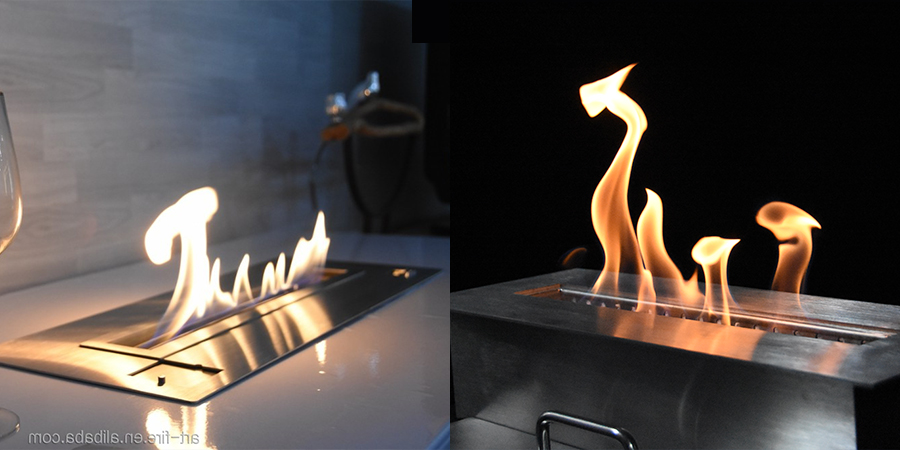
Manual Ethanol Fire Burner AFM150 Inserts For Indoor Decoration ; Design Bio Ethanol Fireplace AF66 With Remote Controller For Sale - Art Fire ;
Am postála: 2021-11-22


